

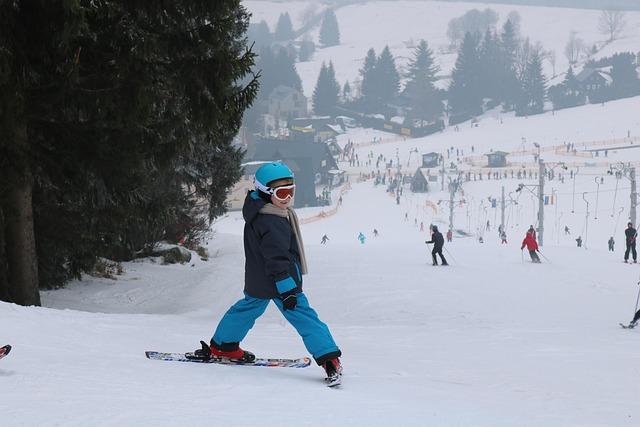
Ski travel has rebounded strongly since 2024. New high-speed lifts, expanded snowmaking systems and the return of long-distance ski passes (Ikon, Epic, Magic) have reshaped how skiers and snowboarders plan their trips. This 2026 and 2027 guide brings together the best resorts worldwide, the regional differences that will shape your decision, the snow reliability windows you need to know, and realistic budgets across price tiers.
Why 2026 and 2027 Are Strong Ski Travel Years
Three trends define ski travel for the next two seasons. First, infrastructure upgrades: Alpine resorts like Verbier, St Anton and Val Thorens completed major lift replacements in 2024 and 2025, reducing queues by 40 to 60 percent on the busiest mornings. Second, the pass economics: the Ikon Pass (1,400 USD) covers 50+ resorts across North America, Japan and the Alps, while the Epic Pass (1,100 USD) covers another 40. Holding either pass for one season makes single-resort tickets feel expensive. Third, the maturing Japanese ski market: Niseko, Hakuba and Furano now have international-grade lodging and English-speaking ski schools at every level.
You also benefit from a wider range of price points than ever. Eastern European resorts (Bansko, Poiana Brasov) deliver respectable skiing for 600 to 900 EUR per week including lift pass and hotel half-board. Premium European resorts (Verbier, Zermatt, Courchevel) run 2,500 to 6,000 EUR for the same week with significantly better terrain and service. The market in the middle is large and well-served.
The Twelve Best Ski Resorts Worldwide
European Alps
- Val Thorens, France: The highest resort in the Trois Vallees domain (2,300 m base, 3,230 m top). 600 km of pistes connected with Meribel and Courchevel. Snow-sure into late April.
- Verbier, Switzerland: Part of the 4 Vallees (412 km). Strong off-piste reputation. Higher prices but excellent restaurant and apres scene.
- St Anton am Arlberg, Austria: Steep, varied terrain combined with Lech, Zurs and St Christoph. 305 km of pistes. Famous for genuine alpine atmosphere.
- Zermatt, Switzerland: Year-round skiing on the Theodul Glacier. Connects to Cervinia (Italy) for cross-border days. The Matterhorn dominates every view.
- Val d Isere and Tignes, France: The Espace Killy combines two high-altitude resorts with 300 km of pistes. Strong intermediate to advanced terrain.
North America
- Whistler Blackcomb, British Columbia: The largest single ski area in North America (3,300 ha). Long season (November to May) and consistent snow.
- Jackson Hole, Wyoming: The Aerial Tram serves the most committing inbounds terrain in North America. Steep, exposed and demanding.
- Aspen Snowmass, Colorado: Four mountains with very different characters. Snowmass for cruising, Highlands for steep bowls, Ajax for in-town vibes.
- Park City and Deer Valley, Utah: Park City (Vail) and Deer Valley combine into a 3,200 ha domain with reliable snowfall (Utah averages 350 inches per season).
Japan
- Niseko, Hokkaido: The famous Hokkaido powder, with 15 m of snow per season. Four interconnected resorts (Hirafu, Hanazono, Niseko Village, Annupuri).
- Hakuba Valley, Nagano: Ten resorts across one valley, hosted the 1998 Olympics. More technical than Niseko, with steeper terrain and proximity to Tokyo.
- Furano, Hokkaido: Quieter than Niseko, with deep snow and less developed apres scene. Strong choice for families and intermediate skiers.
Europe vs North America vs Japan: Which Suits You
Each region delivers a different style of skiing. Choosing the right one matters more than picking the absolute best resort.
European Alps
Strengths: enormous interconnected domains (600+ km of pistes in the Trois Vallees, 412 km in the 4 Vallees), traditional alpine villages, strong food culture, lift passes priced 50 to 65 EUR per day. Weaknesses: variable snow at lower altitudes, queues at popular access lifts, crowded pistes during European school holidays (mid-February, Easter).
North America
Strengths: dry powder snow (especially Utah, Colorado, Wyoming), well-marked trails, strong ski school culture, family-friendly resorts, efficient lifts. Weaknesses: expensive (lift tickets at 200 to 350 USD per day at the gate, lodging often double European prices), smaller individual mountains, fewer interconnected domains.
Japan
Strengths: legendary powder snow (the famous Japow), distinctive cultural experience, onsen (hot springs) at the end of every day, generally short lift queues outside peak weeks. Weaknesses: limited steep terrain inbounds at most resorts, shorter overall season, long travel from Europe and North America.
Family-Friendly Resorts and Beginner Areas
- Les Gets and Morzine, France: Excellent ski schools, gentle beginner areas, child-friendly accommodation. Both connect to the Portes du Soleil for stronger skiers.
- Lech and Zurs, Austria: Reliable snow, wide pistes, traditional villages without high-rise development.
- Park City, Utah: Vast beginner area, English-speaking ski school, family-friendly base.
- Whistler Blackcomb: The Whistler Kids program covers ages three to twelve, with dedicated learning slopes and progression mountains.
- Niseko Hirafu, Japan: The Niseko Base Snowsports school operates in English, and the gentle lower slopes suit first-time skiers.
For families with children under five, look for resorts with magic carpets at the village level (Les Gets, Park City, Whistler) so children can ski directly from the lodging. This single feature saves hours of logistics per week.
Off-Piste, Heli-Skiing and Backcountry Options
Off-piste skiing requires avalanche awareness, proper gear and ideally a certified guide.
- Inbounds off-piste: Verbier, Chamonix, Jackson Hole and St Anton all permit off-piste within the ski area boundary. A guide for the first day pays off (250 to 450 EUR per day).
- Heli-skiing in British Columbia: CMH, Mike Wiegele and Bella Coola Heli Sports run weekly packages at 12,000 to 25,000 USD per skier all-inclusive.
- Cat-skiing as a cheaper alternative: Mustang Powder and Baldface in BC, Powder Mountain Cat Skiing in Utah, all run at 800 to 1,500 USD per day.
- Backcountry touring: Chamonix (Vallee Blanche), Verbier (Mont Fort) and Sainte-Foy-Tarentaise offer guided backcountry routes with hut overnight stays.
Mandatory backcountry kit: avalanche transceiver (Mammut Barryvox, BCA Tracker S), shovel and probe, plus a 30-litre touring backpack. Total cost 450 to 700 EUR for the safety kit, or rent at most major destinations for 25 to 40 EUR per day.
Best Months and Snow Reliability
- Mid-December to early January: Pre-Christmas weeks can have variable snow at lower European altitudes. Christmas week itself often has good snow but premium pricing.
- Mid-January to mid-February: The best ratio of snow quality, prices and crowds. Cold temperatures lock in fresh snow.
- Mid-February to early March: European school holiday weeks. Reliable snow but the busiest period. Book six to nine months ahead.
- Mid-March to mid-April: Longer days, warmer temperatures, often the best off-piste conditions. Snow quality varies by altitude.
- Late April to early May: Spring skiing at high-altitude resorts (Val Thorens, Tignes, Saas-Fee, Zermatt). T-shirt skiing in the afternoons.
For Japan, the best window is late January to mid-February. Hokkaido sees deep powder almost daily during this period.
Realistic Budgets and Cost Breakdowns
Ski holiday budgets vary widely. Use these benchmarks for a seven-night trip in 2026-2027.
- Budget European trip: 750 to 1,100 EUR per skier. Eastern European resort (Bansko, Borovets, Poiana Brasov), three-star hotel half-board, six-day lift pass, gear rental.
- Mid-range French Alps: 1,400 to 2,200 EUR per skier. Mid-tier resort (Les Gets, Avoriaz, Risoul), apartment or three-star hotel, lift pass, gear rental.
- Premium Alpine week: 2,500 to 4,200 EUR per skier. Top-tier resort (Verbier, Val d Isere, Zermatt), four-star hotel, premium gear rental, two days of guided off-piste.
- Luxury Alpine: 5,000 to 12,000 EUR per skier. Five-star hotel, chalet with private chef, helicopter transfer, private ski instructor.
- Standard North America: 3,000 to 5,500 USD per skier. Mid-tier resort (Park City, Steamboat, Stowe), three-star hotel, lift pass, gear rental.
- Premium North America: 6,000 to 12,000 USD per skier. Top-tier resort (Aspen, Jackson Hole, Whistler), four to five-star lodging, premium ski school.
- Japan powder week: 2,800 to 4,500 USD per skier. Niseko or Hakuba, three-star hotel, lift pass, ski school, transfers.
Lift pass season-multi-resort options can dramatically lower cost for repeat skiers. The Ikon Base Pass (900 USD) covers 50+ resorts with some restrictions, the Epic Local (900 USD) covers another 40. For two or three weeks of skiing in a season, these passes pay for themselves quickly.
Deep Dives Into Four Iconic Resorts
Val Thorens, France
Val Thorens sits at 2,300 metres, the highest resort village in Europe. The base elevation guarantees snow from late November through early May. The Trois Vallees domain extends to Meribel and Courchevel via two high-altitude connections (the Cime Caron and the Mont Vallon). Lift ticket prices for the full Trois Vallees run 78 to 89 EUR per day, with a six-day pass at around 380 EUR. The town has a strong apres scene (La Folie Douce, Le Malaysia) but limited charm: opt for traditional villages like Meribel or Courchevel if village character matters.
Niseko, Japan
Hirafu remains the most international base on the Niseko All Mountain Pass. The Annupuri Onsen, the Hilton Niseko Village and the Hyatt House all run in English. Best from early January to early February. The famous powder days happen when the Siberian air mass collides with the Sea of Japan moisture: expect 5 to 15 cm of fresh snow each night for one to two weeks in this window. Skiing usually starts at 09:00 and ends at 17:00, with the famous night skiing on Hirafu running until 21:00 under floodlights.
Whistler Blackcomb, Canada
The largest ski area in North America. Two mountains (Whistler and Blackcomb) connect via the Peak 2 Peak gondola (4.4 km, the longest unsupported lift span in the world). The base village pedestrian zone has the most developed apres scene in North American skiing. Lift ticket prices vary widely (135 to 280 CAD per day at the gate), so the Epic Pass (1,100 USD season) saves significant money for week-long trips.
Zermatt, Switzerland
Car-free village under the Matterhorn (4,478 m). The Matterhorn Glacier Paradise (3,883 m) sees year-round skiing on the Theodul Glacier. International Ski Pass connects to Breuil-Cervinia in Italy for cross-border ski days. Lift pass for both sides costs 102 CHF per day, with a six-day pass at 539 CHF. Premium hotels (the Mont Cervin Palace, the Riffelalp Resort) deliver some of the highest service standards in European skiing.
Gear Checklist for a Ski Holiday
A reliable ski gear list keeps you comfortable through long days on the mountain.
- Skis or snowboard: Rent on-site if you fly. Match the ski to the conditions: 80 to 85 mm waist for groomers, 95 to 105 mm for mixed conditions, 110+ mm for deep powder.
- Boots: The single most important piece of equipment. Invest in well-fitted boots before any ski (Atomic Hawx, Salomon S Pro, Tecnica Mach1 are all reliable).
- Helmet: Mandatory in most resorts. The Smith Vantage, POC Obex and Sweet Protection Switcher all combine comfort with strong protection.
- Goggles: Two lenses minimum (light and dark) for changing conditions. Smith I/O Mag and Anon M4 lead the field.
- Outer shell: Three-layer Gore-Tex jacket and pants. Arc teryx Sabre, Patagonia PowSlayer or Mountain Hardwear Boundary all handle the worst weather.
- Mid layers: Two technical fleeces or down sweaters. Layering beats one thick jacket.
- Base layers: Merino wool or synthetic. Avoid cotton.
- Gloves and mittens: Two pairs. Mittens for the coldest days, gloves for spring conditions.
- Socks: Ski-specific (Smartwool, Falke, Stance). Standard hiking socks make boots fit poorly.
- Neck gaiter or balaclava: Cheap and adds significant warmth on cold mornings.
Travel Logistics: Airports, Transfers and Internal Travel
The transfer from the airport to the resort often eats half a travel day. Five tips reduce friction.
- French Alps: Geneva (GVA) is the main gateway. Shuttle services (Mountain Drop-Offs, Alpybus) cost 35 to 60 EUR per person for the 90 to 180-minute transfer. Lyon (LYS) and Chambery (CMF) serve the Tarentaise valley.
- Swiss Alps: Zurich (ZRH) and Geneva connect to the Swiss rail network within minutes. Direct trains reach Zermatt, Verbier and the Bernese Oberland in three to four hours.
- Austrian Alps: Innsbruck (INN) and Salzburg (SZG) are the main hubs. The Tirol and Vorarlberg resorts sit within two hours of Innsbruck.
- North America: Most resorts have a dedicated regional airport or shuttle from the nearest major hub. Vail and Aspen have own airports; Whistler is a 90-minute drive from Vancouver YVR.
- Japan: Niseko via New Chitose airport (CTS) on Hokkaido. Hakuba via Nagano station (Shinkansen from Tokyo). Both have direct shuttle bus services.
Food and Apres-Ski Worth Travelling For
Mountain restaurants and apres-ski bars shape the texture of a ski trip. The best destinations combine strong skiing with strong gastronomy.
- French Alps: Mountain refuges deliver classic cuisine. La Bouitte in Saint Martin de Belleville (two Michelin stars), Le Refuge de la Traye in the Trois Vallees, La Folie Douce Val Thorens for the apres scene.
- Swiss Alps: Raclette and fondue served at high-altitude restaurants like the Chez Vrony above Zermatt and Whymper-Stube in the village. The Cervo Mountain Resort restaurant pairs strong food with a quieter scene.
- Austrian Alps: Tirolean specialities (Kaiserschmarrn, Tirolean Grostl, Schnapps after lunch). The Ulli Stein in Lech, the Schneggarei in Lech and the Mooserwirt in St Anton are classic apres venues.
- North America: Park City has the strongest restaurant scene (High West Distillery, Riverhorse on Main). Aspen hosts top chefs (Element 47, Ajax Tavern). Whistler combines Canadian and Pacific Rim flavours.
- Japan: Niseko offers the unique combination of skiing and onsen plus high-end sushi (Kamimura, Yakitori Bang Bang, Pizza da Toshi). Hakuba blends Japanese with international (Hakuba Hifumi for ramen, Mimi for kaiseki).
One final consideration. The apres-ski scene shapes the rhythm of the day. If a 14:00 pizza followed by an hour of music in a wood-panelled bar appeals, traditional Alpine destinations deliver. If you prefer to finish skiing later and have a quieter dinner, Japanese and high-altitude Swiss resorts work better. Pick the rhythm before you pick the resort.
The best ski trip is the one that matches your skill level, your preferred rhythm and your budget. Resist the temptation to chase the most famous resort if it falls outside your comfort zone in terms of price, terrain or culture. The mid-tier resorts of the French Alps and the major Japanese destinations consistently deliver more value than the marquee names, and the experiences you remember rarely come from the most expensive lift ticket.
For travellers planning their first ski week, one additional tip applies regardless of destination: book a half-day lesson on day one, even if you are an experienced skier. A local instructor will walk you through the layout of the mountain, point out the best snow exposures for that day, and save you hours of inefficient wandering. The 80 to 150 EUR investment pays for itself before lunch.
Frequently Asked Questions
When should I book my ski trip?
For European Christmas and February school holidays, book six to nine months ahead. For January or late March, three to four months ahead is usually sufficient. Premium chalets in Verbier, Courchevel and Aspen book up to twelve months in advance for the prime weeks.
Should I bring my own gear or rent?
Rent on-site for trips under ten days. Airline baggage fees for skis and boots (60 to 120 EUR each way) often exceed weekly rental costs (160 to 280 EUR for a full kit). Premium rentals (Skiset Platinum, Snowrental) deliver well-maintained current-season gear.
How fit do I need to be?
Three months of preparation (two cardio sessions and one leg-strength session per week) is enough for a typical six-day ski week. Strong legs, balance and core stability matter more than pure cardiovascular fitness. Most skiers find the third and fourth days hardest before the body adapts.
Do I need ski insurance?
Yes, and confirm that off-piste skiing is covered. The Carre Neige insurance (3 EUR per day, included with most French lift passes) covers on-piste medical and rescue costs. For off-piste or international trips, dedicated ski policies (Snowcard, Carre Neige Plus, Allianz Snow) start at 90 to 180 EUR per week.
Can complete beginners enjoy a ski holiday?
Yes, with a properly chosen resort and ski school. Look for resorts with magic carpet lifts, large beginner areas (Les Gets, Park City, Niseko Hirafu) and ski schools that group by language. Plan for two to three hours of lessons per day for the first three days. Most beginners reach controlled blue runs by day four.
What is the difference between heli-skiing and cat-skiing?
Heli-skiing uses helicopters to access remote terrain, with 15,000 to 35,000 ft of vertical descent per day at 1,200 to 1,800 USD per day. Cat-skiing uses snow cats (tracked vehicles) for similar terrain at 600 to 1,200 USD per day. Both require strong off-piste skiing skills. Cat-skiing is the better value entry point.
Affiliate disclosure: some hotel and activity links in this article are affiliate links. If you book through them, we receive a small commission at no additional cost to you. This is what allows us to keep producing detailed, honest guides.