


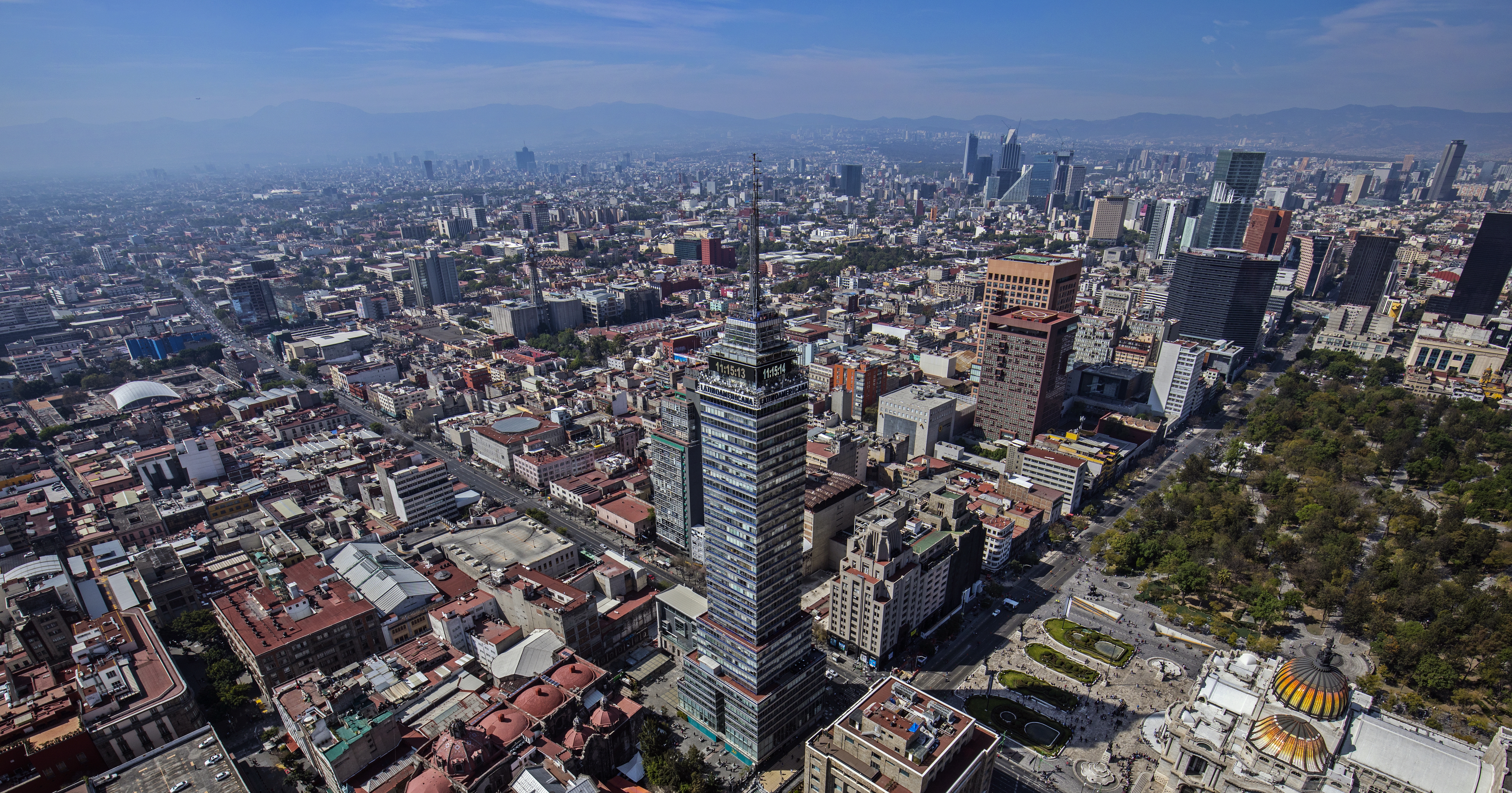
Mexico City (CDMX) is the largest city in North America with 22 million people across the metropolitan area, sitting in a high-altitude valley at 2,240 meters surrounded by snow-capped volcanoes. It is the cultural capital of Latin America, with the second-most museums of any city on Earth (after London), world-class cuisine that just received its eighth Michelin star, pre-Columbian pyramids in the suburbs, and the colonial Centro Historico, a UNESCO World Heritage site.
Three days is a tight introduction to CDMX. This guide hits Roma-Condesa, Centro Historico, Coyoacan, Xochimilco, Teotihuacan, and the best of the food scene from street tacos to Pujol.
Why 3 Days Works in Mexico City
CDMX is enormous and the traffic is brutal, so trying to do too much per day backfires. Three days handles the indispensables (Centro Historico, Teotihuacan, Coyoacan, Roma-Condesa eating) without exhaustion. Add a fourth day for Xochimilco trajineras (colorful boats), and a fifth for the National Anthropology Museum, which deserves a full afternoon.
Day 1: Centro Historico

Morning: Zocalo and Cathedral (9 AM)
The Zocalo is the second-largest city square in the world after Moscow’s Red Square. The 16th-century Metropolitan Cathedral on the north side is built atop the ruins of an Aztec temple. Enter for free and look up at the elaborate baroque interior; the choir stalls are 17th-century masterpieces. The cathedral is visibly tilting due to subsidence (the city was built on a drained lake).
Mid-Morning: Templo Mayor and Palacio Nacional
Templo Mayor (100 MXN entry) is the excavated heart of Tenochtitlan, the Aztec capital that stood here when Cortes arrived in 1519. The on-site museum displays thousands of recovered artifacts including the massive monolith of Coyolxauhqui. Allow 90 minutes.
Palacio Nacional (free with ID, closed Mondays) is the seat of government. The interior staircase has Diego Rivera’s monumental murals depicting Mexican history from pre-Columbian times through the Revolution. Allow 60 minutes.
Lunch: Casa de los Azulejos or Sanborns
Casa de los Azulejos (the House of Tiles, an 18th-century palace covered in blue Talavera tiles) houses Sanborns restaurant, a Mexico City institution. Enchiladas suizas, molletes, hot chocolate. 250-450 MXN per person.
Afternoon: Palacio de Bellas Artes
The white marble Art Nouveau palace (1934) is Mexico City’s premier cultural center. The exterior alone is photo-worthy. Inside, the museum on the second floor (90 MXN) holds murals by Diego Rivera, David Alfaro Siqueiros, and Rufino Tamayo. Climb the Torre Latinoamericana across the street for the city’s best 360-degree views (160 MXN, 44th-floor observation deck).
Evening: Roma Norte Dinner
Uber to Roma Norte and dine at one of the city’s celebrated restaurants. Maximo Bistrot (Mexican-French fusion, 1,500-2,200 MXN), Contramar (legendary lunch-only seafood, get the tuna tostada and pescado a la talla), Lardo (Italian-Mediterranean by Elena Reygadas, 800-1,400 MXN), or for cheaper try El Parnita (modern Mexican, 350-600 MXN).
Day 2: Teotihuacan and Coyoacan

Morning: Teotihuacan Pyramids (7 AM departure)
Teotihuacan, 50 km northeast of CDMX, was the largest city in the Americas at its peak (population 125,000+) around 500 CE. The Pyramid of the Sun is the third-largest pyramid in the world. The Avenue of the Dead stretches 2.5 km between pyramids and palaces.
Three ways to visit: hot-air balloon at sunrise (a stunning 1,800-2,800 MXN including transport), group tour bus from Centro Historico (700-1,200 MXN including lunch and Tequila stop), or DIY by Mexibus from Terminal Norte (60 MXN each way, 1 hour, 95 MXN entry). Allow 4-5 hours on-site. Wear sun protection; the pyramids are exposed at high altitude.
Afternoon: Coyoacan and Frida Kahlo Museum
Return by 3 PM and Uber to Coyoacan, the bohemian southern neighborhood that was once a separate village. Cobblestoned streets, cafes, mariachi in Jardin Centenario, and the famous Frida Kahlo Museum (Casa Azul, the blue house where Frida lived and died, 320 MXN online ticket required, sells out days ahead). Allow 90 minutes for the museum, another hour for Coyoacan strolling.
Evening: Mercado de Coyoacan
Coyoacan’s covered market is excellent for an early dinner: tostadas at Tostadas Coyoacan (3-stall lineup, classic with chicharron prensado), pozole at La Casa del Pavo, or churros con chocolate at the original El Moro. 150-300 MXN total. After dinner, walk to Cantina La Coyoacana for mezcal and live trova music.
Day 3: Roma-Condesa, Chapultepec, Polanco

Morning: Chapultepec Park and Anthropology Museum
Chapultepec is twice the size of New York’s Central Park and contains six top-tier museums. The National Anthropology Museum (95 MXN, closed Mondays) is one of the world’s great museums, with halls dedicated to Aztec, Maya, Olmec, and other pre-Columbian cultures. The Sun Stone (Aztec calendar) and the Templo Mayor reconstruction halls are the highlights. Allow 3 hours minimum.
Afternoon: Polanco Lunch and Roma-Condesa Stroll
Lunch in Polanco at Pujol (Enrique Olvera’s flagship, tasting menu 3,800 MXN, world top-50, reserve 1-2 months ahead) or Quintonil (Jorge Vallejo, also world top-50, 3,500 MXN). For a more accessible Polanco experience, try Tacos Hola El Guero (street tacos al pastor 25-50 MXN each).
Stroll Roma Norte’s Alvaro Obregon and Avenida Amsterdam in Condesa (a unique oval-shaped park-street, originally a horse track). Best bookstores: Casa Bosques, Cafebreria El Pendulo. Coffee at Cardinal, Buna 42, or Quentin Cafe.
Evening: Mezcaleria Crawl
Mexico City’s mezcal scene is world-class. Hit La Clandestina (Condesa, hidden door, the OG mezcaleria), Bosforo (Centro, intimate), or Pare de Sufrir (Roma Norte, modern). 200-400 MXN per pour from small producers in Oaxaca and Guerrero. Most bars stay open until 2 AM.
Where to Stay in Mexico City
Roma Norte (Best Overall)
The Brooklyn of Mexico City. Tree-lined streets, indie cafes, the best restaurant density, walkable to Condesa and Centro. 80-200 USD. Try La Valise (boutique with rooftop), Casa Decu, Brick Hotel, Casa Pancha.
Condesa (Leafy and Residential)
Quieter than Roma Norte but equally walkable. Tree-canopied streets, Art Deco apartment buildings, two large parks. 70-180 USD. Condesa DF (boutique design), Octavia Casa, hotel options here are more European-style.
Polanco (Luxury and Polished)
The Beverly Hills of CDMX. Marble lobbies, Cartier and Bvlgari, and Pujol-Quintonil-Sud777. Best for shopping and food but feels less authentic. 180-500 USD. Four Seasons Mexico City, Las Alcobas, Sofitel Reforma.
Centro Historico (Atmospheric)
Stay among the colonial architecture but be aware most action shuts down by 7 PM. 60-180 USD. Downtown Mexico (rooftop pool, colonial palace), Gran Hotel Ciudad de Mexico (Tiffany glass ceiling).
Budget
Hostels in Roma Norte: Stayinn Barefoot Hostel (300 MXN dorms), Casa Pepe (450 MXN dorms). Air bnb in Roma Norte: 1,200-2,500 MXN for clean apartments.
Where to Eat in Mexico City
CDMX is one of the world’s great food cities, and the gap between street tacos and Michelin tasting menus is smaller here than anywhere else. The 2024 Michelin Guide gave 18 stars in Mexico, eight of them in CDMX.
Street Tacos (Indispensable)
El Vilsito (Narvarte, al pastor, opens after the mechanic shop closes at 7 PM), El Califa de Leon (Centro, the first taqueria to win a Michelin star, gaonera tacos), Los Cocuyos (Centro, suadero and tripa), El Huequito (chain, original is on Bolivar). Tacos al pastor cost 15-30 MXN each; eat 4-5.
Modern Mexican Fine Dining
Pujol (Polanco, Enrique Olvera, mole madre on its third year of fermentation), Quintonil (Polanco, Jorge Vallejo), Maximo Bistrot (Roma, modern brasserie), Sud777 (Pedregal, world-class), Rosetta (Roma, Italian-Mexican by Elena Reygadas).
Classics and Casual
Contramar (Roma, the lunch-only seafood institution, only open noon-6 PM, queue or reserve), Cafe de Tacuba (Centro, since 1912), Azul Historico (Centro, regional Mexican in courtyard), El Cardenal (Centro, traditional breakfasts).
Markets
Mercado Roma (Roma, food hall), Mercado de San Juan (Centro, exotic ingredients including chapulines and escamoles), Mercado de Coyoacan, Mercado Medellin (Roma, Cuban and South American specialties). Most markets serve breakfast 8 AM-noon.
Coffee, Bakery, Sweet
Cardinal (Roma, specialty coffee), Buna 42 (Roma), Cafebreria El Pendulo, Panaderia Rosetta (Roma, the guava roll is legendary), El Moro (Centro and Roma, churros con chocolate since 1935).
Getting Around Mexico City
Uber and Didi
Both work perfectly in CDMX and are cheap (Roma to Polanco: 60-120 MXN). Highly recommended over street taxis at night. Uber tracks the trip; share with someone if traveling solo.
Metro
The Metro is the cheapest at 5 MXN per ride but very crowded at rush hour and has had safety issues (pickpockets, occasional incidents). Use Lines 1, 2, 3 during daytime only; first car is women-and-children-only.
EcoBici and Walking
Roma-Condesa is walkable. EcoBici public bikes (free with phone registration) cover central neighborhoods.
Airport Transfer
AICM (Benito Juarez Airport) to Roma: 250-380 MXN by Uber (40-60 minutes in traffic). Use the airport Uber pickup point (Terminal 1, Door 7-8; Terminal 2, Door 4). NEVER use unmarked taxis. Authorized airport taxi (Sitio 300) is fixed-price.
What to Know Before You Go to Mexico City
Altitude
CDMX sits at 2,240 m (7,350 ft). The first 24-48 hours can produce mild altitude effects: shortness of breath, slight headache, fast fatigue. Drink extra water, skip heavy alcohol the first night, take it easy the first day. Coca tea (mate de coca) helps; ibuprofen works for headaches.
Best Time to Visit
March-May and October-November are ideal: 22-26C, dry, sunny. The rainy season is June-September with afternoon thunderstorms (usually clears by evening). Winter (December-February) is dry and pleasant during the day (20-23C) but cool at night.
Safety
Tourist neighborhoods (Roma, Condesa, Polanco, Centro Historico daytime, Coyoacan) are safe with sensible precautions. Use Uber at night. Avoid unfamiliar neighborhoods (Tepito, Iztapalapa, parts of Doctores). Pickpocketing in Centro Historico and Metro is common; keep phone secure.
Water
Do not drink tap water in CDMX. Hotels and restaurants serve filtered water. Brush teeth with bottled water. Ice in mid-range and upscale establishments is fine (made from filtered water). Street ice is risky.
Currency and Tipping
Mexican Peso (MXN). 1 USD is roughly 18-19 MXN, 1 EUR roughly 20-21 MXN (2026). Cards widely accepted at restaurants; cash needed for street tacos and markets. Tip 10-15% in restaurants (some include propina; check), 20-30 MXN per bag for porters, round up Uber.
Language
Spanish. English is spoken at upscale restaurants and major hotels but learn basic phrases. Mexico Spanish is clear and slightly accented; locals are exceptionally patient with broken Spanish.
Common Mistakes First-Time Visitors Make
Booking Pujol or Quintonil at the last minute: both book 1-2 months ahead. Reserve immediately when flights are booked.
Driving in CDMX: parking is nightmarish, traffic is brutal, and Uber is cheap. Save rental cars for trips outside the city.
Trying Centro Historico at night: most of Centro shuts down by 7 PM, leaving it deserted and less safe. Day trips only.
Skipping the Anthropology Museum because it sounds boring: it is one of the world’s great museums, even for people who normally skip museums.
Overplanning: traffic in CDMX is unpredictable. Plan 2-3 anchor activities per day with flexibility, not 5-6.
Cost Estimate: 3 Days in Mexico City (per person)
Budget (500-900 MXN/day, ~25-50 USD)
Hostel dorm, street tacos and markets, Metro and walking, free museums (most are free Sundays for residents, low prices for foreigners). Total: 1,500-2,700 MXN (80-150 USD).
Mid-Range (1,500-3,000 MXN/day, ~80-160 USD)
Boutique hotel in Roma Norte, one Michelin meal (Pujol) plus great mid-range, Uber, all museum entries, organized Teotihuacan tour. Total: 4,500-9,000 MXN (250-500 USD).
Luxury (6,000+ MXN/day, ~320+ USD)
Four Seasons or Las Alcobas, Pujol + Quintonil + Maximo, private guide for Teotihuacan and CDMX, helicopter pyramid tour. Total: 18,000-50,000 MXN (1,000-2,700 USD).
Flights: 250-600 USD roundtrip from US, 500-1,200 USD from Europe (often via Madrid or Atlanta).
Frequently Asked Questions
Is 3 days enough for Mexico City?
Three days covers the essentials. Four to five days adds Xochimilco and the Anthropology Museum at a relaxed pace. A week lets you add Tepoztlan or Puebla day trips.
Is Mexico City safe?
Yes in tourist neighborhoods (Roma, Condesa, Polanco, Coyoacan, Centro by day). Use Uber at night, avoid unfamiliar barrios, do not flash valuables. Most visitors have zero issues.
Best time to visit Mexico City?
March-May or October-November: 22-26C and dry. Avoid Easter week and Christmas-New Year when prices spike and crowds peak.
How early should I book Pujol?
One to two months ahead. Open Table releases tables 60 days out at midnight.
Do I need a visa for Mexico?
US, UK, EU, Canadian, Australian passport holders get 180 days visa-free on arrival. Fill out FMM tourist card on flight or at airport. Keep the bottom stub for departure.
Can I drink the tap water?
No. Use bottled water for drinking and tooth brushing. Hotels provide filtered water. Ice at upscale restaurants is fine.
How does altitude affect me?
CDMX is at 2,240 m. First 24-48 hours: extra water, light meals, avoid heavy alcohol. Most visitors adjust quickly.
Is Teotihuacan worth it?
Yes, absolutely. The pyramids are spectacular and the on-site museum gives essential context. Go at sunrise via balloon, or on a group tour, or DIY.
Final Thoughts
Mexico City rewards the curious. Three days is just enough to fall under its spell of pyramids, mole, mezcal, Diego Rivera murals, and 4 AM tacos al pastor. Plan extra days when you can: there is more to discover in CDMX than in any city on the continent. Bring an appetite and an open mind.