

Table of Contents
- Exploring the History and Cultural Roots of Indian Metalwork
- Diving Into the Unique Techniques Behind Traditional Indian Metal Art
- Spotlight on Iconic Metals and Regional Styles Worth Discovering
- Tips for Collecting and Caring for Authentic Indian Metalwork Pieces
- Wrapping Up: Ultimate Travel Lessons
Exploring the History and Cultural Roots of Indian Metalwork
India’s metalwork traditions stretch back thousands of years, deeply woven into the social and spiritual fabric of its communities. Ancient techniques were handed down across generations, often preserved in artisan families, showcasing skilled craftsmanship and intricate designs. Moreover, metals such as bronze, brass, silver, and gold became symbols of status and religious reverence, making them central to cultural rituals and everyday life.Throughout history, regions like Rajasthan, Tamil Nadu, and Varanasi emerged as hubs for distinct metalworking styles. For example, Rajasthan is famous for its vibrant meenakari enamel work, while Tamil Nadu’s bronze sculptures capture both artistic beauty and religious devotion. These diverse approaches reflect local myths, beliefs, and the availability of raw materials, which together shaped the rich tapestry of India’s metal heritage.Understanding the profound symbolism behind different motifs adds another layer of appreciation. Animals, deities, and geometric shapes carved into metal pieces convey stories and moral values passed down orally through centuries. Therefore, exploring markets and workshops lets travelers witness how traditional methods coexist with modern demands, offering a vibrant glimpse into India’s living cultural legacy.If you want to experience these traditions firsthand, consider booking specialized tours that include visits to artisan villages and museums. Check out the latest options to book tours that delve into craft histories and meet master metalworkers. This choice enriches your journey with meaningful encounters and unique souvenirs born from India’s timeless artistry.Diving Into the Unique Techniques Behind Traditional Indian Metal Art
The art of crafting traditional Indian metalwork relies on several distinctive techniques, each deeply rooted in the country’s rich cultural heritage. One such method is Dhokra, an ancient form of lost-wax casting practiced largely in the tribal regions. Here, artisans create intricate metal sculptures by shaping a wax model, coating it with clay, and then melting the wax away to leave behind a detailed mold for molten metal. This delicate process allows for astonishing levels of detail and texture, resulting in one-of-a-kind pieces that often depict mythical or natural themes.Moreover, Bidriware stands out for its stunning blackened metal base inlaid with silver or brass designs. Originating from Bidar in Karnataka, this technique involves a careful balance of chemical treatment and hand engraving. Visitors interested in witnessing intricate craftsmanship firsthand should plan their trips around local craft festivals, ideally during the cooler months from October to March, as workshops are more accessible and artisans are less hurried. Families and casual travelers may prefer guided tours that explain each step, while photographers and art lovers will appreciate the studio visits for capturing the fine engravings close-up. Furthermore, the Repoussé technique, often used in Rajasthan, involves hammering metal from the reverse side to create raised patterns on the surface. This skill takes years to master, as it demands precision and patience to highlight both form and depth effectively. Solo travelers seeking immersive cultural experiences can benefit from artisan-led workshops that offer hands-on learning experiences, making their journeys more personal and memorable. For those planning, booking local accommodations in advance can ensure smooth access to these rare artistic settings. To explore more about regional metal arts, check out our detailed guides on traditional crafts. Also, don’t miss the chance to secure your stay through trusted hotel options to enhance your cultural adventure.Spotlight on Iconic Metals and Regional Styles Worth Discovering
India’s metalwork heritage gleams with a variety of iconic metals like brass, silver, and bidri-a striking blackened alloy from Karnataka. Each metal carries its own story, shaped by centuries of craftsmanship and cultural influences. For example, brassware from Moradabad dazzles visitors with intricate patterns, while Rajasthan’s silver adornments reflect royal elegance. Exploring these materials offers a deeper connection to India’s artistic soul, especially for collectors and culture enthusiasts.Regional styles add further charm and diversity. In West Bengal, Dhokra art uses lost-wax casting to create unique tribal motifs, making it a favorite among photographers and art lovers alike. Meanwhile, Bidriware combines Persian designs with Indian techniques, ideal for those seeking something rare and historically rich. Seasonal travelers may prefer visiting workshops during local festivals when artisans demonstrate live casting, providing vivid insight into the making process.For families and first-time travelers, visiting local craft markets in cities like Jaipur or Ahmedabad is a practical way to experience this tradition without straying far from urban comforts. Solo adventurers might explore villages in Madhya Pradesh or Odisha, where hands-on metalworking classes can be booked. To fully immerse yourself, consider planning your trip in advance and booking guided tours that include visits to artisanal villages and museums. Secure your accommodation early by checking recommended hotels and convenient car rentals to reach remote areas. For flights, early booking can save costs and avoid peak-season hassles-explore flights now to plan your seamless journey.Tips for Collecting and Caring for Authentic Indian Metalwork Pieces
When acquiring authentic Indian metalwork pieces, start by researching the provenance and origins to ensure genuineness. Look for traditional markings or stamps often present on handcrafted items, as these signify the artisan’s signature or regional style. Visiting local markets or trusted galleries during your travels can also help you interact directly with sellers and learn more about the craftsmanship behind each piece.To maintain the beauty of these intricate artifacts, it’s crucial to adopt the right cleaning and storage practices. Use gentle, non-abrasive cloths to dust brass or copper works regularly and avoid harsh chemicals that can strip natural patinas. Moreover, storing metal objects in dry, cool environments prevents tarnish and corrosion, especially during humid seasons or in coastal areas where moisture is higher.Different metal types demand special attention when caring for them, so tailoring your approach is essential. For example, silver pieces may require polishing with products designed explicitly for silver, while bronze or mixed-metal items benefit from natural oils applied sparingly. For those passionate about collecting, investing in gloves and cotton bags protects your treasures from fingerprints and dust accumulation.Explore options to enrich your experience-consider booking tours focused on artisan hubs to witness metalworking techniques firsthand. Also, planning ahead with assistance from hotels and car rentals can make your cultural journey smoother. Don’t miss out on booking flights early, as they offer both savings and flexible travel dates to immerse yourself fully in India’s metallic art heritage.What are the most famous types of metalwork in India?
India is celebrated for its diverse metalwork, including Bidriware from Karnataka, Dhokra from Odisha and West Bengal, and intricate brass and copper items from Moradabad. Each style showcases unique techniques and vibrant designs that reflect the country’s cultural heritage.
Plan Your Trip to India
Where can travelers see or buy authentic Indian metal crafts?
Visitors can explore vibrant markets and craft villages across India such as the markets in Jaipur, Moradabad, and Udaipur. Museums and artisan workshops also offer opportunities to see metalwork being made and purchase genuine pieces directly from craftsmen.
Why is Indian metalwork considered colorful and rich in tradition?
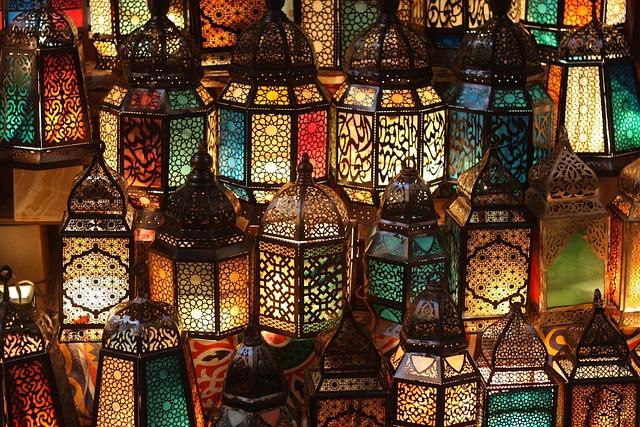
Indian metalwork combines age-old techniques with regional artistic influences, often featuring bold colors, intricate patterns, and symbolism. This blend honors deep cultural stories and adds a lively touch that has been passed down through generations, making each piece a vibrant piece of history.
How can I identify authentic Indian metalwork when shopping?
To recognize genuine Indian metal crafts, look for:
- Traditional designs specific to regions like Bidri or Dhokra
- Signs of handcrafting such as subtle imperfections
- Natural patinas or hand-applied colors
- Certificates or information about the artisan or origin
Engaging with sellers and asking about the craft’s history can also ensure authenticity.
What makes exploring India’s metalwork traditions a unique travel experience?
Discovering Indian metalwork allows travelers to connect with centuries-old artisanal techniques and vibrant cultural expressions. Beyond sightseeing, visitors can meet skilled artisans, watch live demonstrations, and bring home meaningful souvenirs that tell a story of India’s artistic legacy.
Wrapping Up: Ultimate Travel Lessons
And there you have it-a glimpse into the vibrant, intricate world of India’s metalwork traditions! From the shimmering brass of Moradabad to the delicate silver filigree of Odisha, each piece tells a story steeped in history, culture, and unparalleled craftsmanship. Whether you’re a seasoned collector or just discovering these treasures, exploring India’s metal artistry is like taking a joyful journey through time and tradition. So next time you come across a beautifully crafted metal artifact, take a moment to appreciate the hands and heritage behind its creation-it’s truly a celebration of India’s rich and colorful artistic legacy. Happy exploring!Related Travel Guides
Frequently Asked Questions
When is the best time to visit India?
The optimal months depend on weather and crowds. Shoulder seasons (April-June and September-October) typically offer the best balance of weather, prices, and fewer tourists. Avoid peak summer for European or Mediterranean destinations and rainy seasons for tropical ones.
How much does a India trip cost?
Costs vary by season and travel style. Budget travelers can expect 60-100 USD per day, mid-range 150-250 USD, luxury 400+ USD per day. Book flights and accommodation 3-4 months ahead for best prices.
Do I need travel insurance for India?
Yes, travel insurance is strongly recommended for international trips. It covers medical emergencies, trip cancellation, lost baggage, and adventure activity coverage. Compare quotes from World Nomads, SafetyWing, and Allianz.
How many days should I plan for India?
For a first visit, 5-7 days is the minimum to see the main highlights. 10-14 days gives you time to explore at a slower pace and add side trips. Multi-destination trips need 14+ days minimum.