

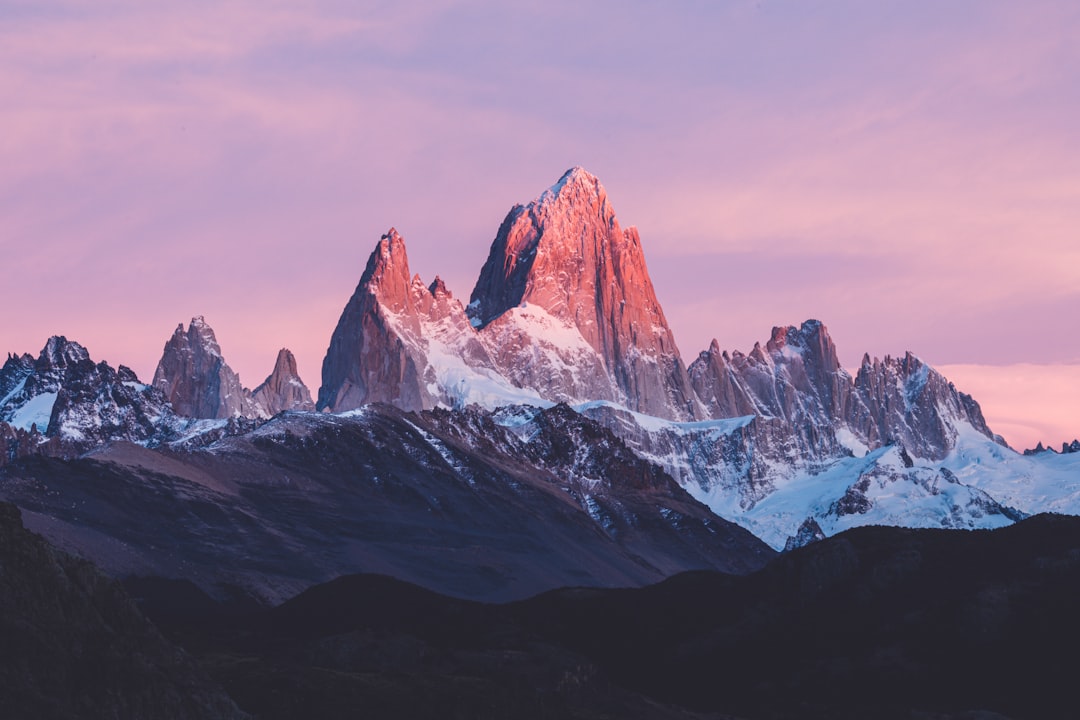
Argentina is the world s 8th-largest country by area but only the 32nd by population. The result: vast distances and dramatic empty landscapes between the icons. A week is enough for one carefully-chosen route through the country s greatest hits — Buenos Aires culture, Patagonia s mountains and glaciers, and the Mendoza wine country at the foot of the Andes. This guide gives you the optimal 7-day flow, the practical logistics (Argentina s flight network shapes the trip), and the deeper detail to make each day count.
The classic 7-day Argentina route is: Buenos Aires (3 nights) → El Calafate (2 nights) → Mendoza (2 nights). Domestic flights connect the three legs; trying to do all of it overland is impractical in a week.
Why 7 Days Works (And Doesn t)
Argentina rewards 14-21 days. With 7 days you make hard choices — you cannot also fit Iguazu Falls (north), Bariloche (Lake District), Salta (northwest desert), or Ushuaia (southern tip). The route this guide recommends covers the three most internationally significant destinations and connects them by efficient domestic flights.
Alternative 7-day routes:
Buenos Aires + Iguazu Falls + Mendoza: Substitute Iguazu for Patagonia if you prefer subtropical waterfalls to glacial mountains. Iguazu requires 2 nights (one Brazilian side, one Argentine side, or 2 nights focused on Argentine side).
Buenos Aires + Bariloche + Mendoza: The Lake District alternative. Bariloche feels Swiss-Alpine with lakes and chocolate shops. Best in summer (December-March).
Buenos Aires + Salta + Mendoza: Northwest desert and wine. Salta has the dramatic Quebrada de Humahuaca (UNESCO multi-colored mountains), with Cafayate wine country adding to the Mendoza experience.
Day 1: Buenos Aires Arrival
Most international flights arrive at Ezeiza Airport (EZE) 35 km south of the city. Pre-book a remis (radio taxi) through your hotel — around 18,000 ARS ($18) one-way — or use the official airport taxi stand (Manuel Tienda Leon) at the arrivals. The Tienda León airport bus (8,000 ARS / $8) drops you at the central Retiro bus terminal.
Check in to your hotel in Palermo Soho (the recommended first-time-visitor neighborhood) and have a late-afternoon coffee at Café Tortoni (Avenida de Mayo 825 — founded 1858, Argentina s most famous cafe) before walking through the Plaza de Mayo and Casa Rosada (the pink presidential palace).
Evening: Tango show at El Querandi (Perú 302, dinner-and-show 95,000 ARS / $95) or the more authentic La Catedral (Sarmiento 4006 in Almagro — a milonga where locals actually dance). First-night dinner at Don Julio (Guatemala 4691, Palermo — World s 50 Best parrilla, asado dinner around 75,000 ARS / $75 per person, advance reservations essential).
Day 2: Buenos Aires Deep Dive
Morning: Recoleta Cemetery (free entry, 9 AM-5 PM) — the elaborate above-ground mausoleums of Argentine elites including Eva Perón. Allow 90 minutes. Walk through the Recoleta neighborhood afterwards, lunch at El Mercado de los Carruajes or Croque Madame.
Afternoon: San Telmo neighborhood. On Sundays the entire Defensa Street becomes the famous antique fair — hundreds of stalls, live tango, all afternoon. Other days: Mercado de San Telmo (covered market hall), El Zanjón underground archaeology tour (60,000 ARS / $60), or simply wander the narrow streets.
Evening: Pizza dinner at El Cuartito (Talcahuano 937 — 1934-founded, the iconic Argentine pizza-by-the-slice institution). Bars in Palermo Soho along Honduras and El Salvador streets afterwards.
Day 3: Buenos Aires Day or Suburban Trip
Option A — Tigre Delta: The Tren de la Costa from Olivos station takes 90 minutes to Tigre, the delta town where the Rio de la Plata meets the Parana. Take a 2-hour wooden boat tour through the delta channels (15,000-25,000 ARS / $15-25 per person), have lunch on a delta restaurant terrace, return by train. Half-day option.
Option B — Colonia del Sacramento (Uruguay): Ferries depart from Puerto Madero for the 1-hour crossing to Uruguay s UNESCO-listed colonial town. Cobblestoned streets, 17th-century lighthouse, lunch at Charco Bistro. Bring passport. Full-day option (8 AM departure, return 7 PM).
Option C — Stay in BA: MALBA (Museum of Latin American Art, 35,000 ARS / $35), then bike the Buenos Aires bike lanes via the YPF bike-share system, dinner at a casual neighborhood parrilla.
Evening: Pre-departure cocktails at the legendary Florería Atlántico (Arroyo 872 — hidden speakeasy in a flower shop basement, one of the World s 50 Best Bars).
Day 4: Fly to Patagonia (El Calafate)
Morning flight Buenos Aires Aeroparque (AEP, the in-city domestic airport) to El Calafate (FTE). Aerolíneas Argentinas runs 5-6 daily flights, 3-hour duration. Tickets $250-400 USD round-trip if booked 2-3 months ahead. Note: AEP is the closer domestic airport (15 min from central BA); make sure your flight is from AEP not EZE.
Arrive El Calafate around 2 PM. Transfer to hotel (Patagonia Express shuttle 5,000 ARS / $5, or rental car). El Calafate is a small Patagonian outpost town (population 25,000) on the shore of Lake Argentino. Afternoon: Glaciarium Ice Museum (24,000 ARS / $24, 5 km outside town) for the geological and climate context.
Evening: Dinner at La Tablita (Coronel Rohde 28 — the iconic El Calafate parrilla, Patagonian lamb specialty, 80,000 ARS / $80 per person) or La Zaina (Gobernador Moyano 1750 — a fine-dining Patagonian-Andalusian fusion).
Day 5: Perito Moreno Glacier
The defining Argentina Patagonia experience. Perito Moreno Glacier is 80 km from El Calafate inside Los Glaciares National Park (UNESCO World Heritage). It is one of only three glaciers in Patagonia that is currently advancing rather than retreating — producing the dramatic ice calvings that crash into the lake.
How to visit:
Standard tour: Buses from El Calafate at 7-8 AM, return around 5 PM. Park entry 22,000 ARS ($22), bus tour 80,000-120,000 ARS ($80-120). Walk the boardwalks at multiple viewpoints over the glacier face.
Premium experience: Big Ice mini-glacier hike (Hielo y Aventura company, 280,000-380,000 ARS / $280-380 including park entry, boat, and 4-hour glacier walk in crampons). Maximum age 50. Spectacular.
Mini Trekking: A lighter 2-hour glacier walk option for less athletic visitors. 180,000-240,000 ARS ($180-240). Maximum age 65.
Boat tour: Approach the glacier face by boat — the proximity to the ice walls (some 70m tall) is unforgettable. Add-on 60,000-80,000 ARS ($60-80).
Allow the full day. Return to El Calafate exhausted and happy. Dinner at El Poón (San Martín 1196) for Patagonian lamb in a more casual setting.
Day 6: Fly to Mendoza
Direct flights El Calafate to Mendoza are limited — most routings require a connection through Buenos Aires (Aerolíneas Argentinas typically schedules this with a 2-3 hour AEP layover). Plan for a long travel day: roughly 9-10 hours total including layovers, arriving in Mendoza late afternoon.
Mendoza is the wine capital of Argentina, sitting at 800m elevation at the foot of the Andes. The city itself is leafy and laid-back; the wine action happens in three surrounding sub-regions: Lujan de Cuyo (30 min south, the historic Malbec heartland), Maipú (close, easier to visit by bike), and Valle de Uco (90 min south, the high-elevation new prestige region).
Evening: Check into your Mendoza hotel. Walk through the city s central Plaza Independencia. Dinner at Anna Bistró (Av Juan B Justo 161 — contemporary Argentine fine dining, 90,000 ARS / $90) or Azáfar for casual Argentine.
Day 7: Final Wine Day & Departure
Morning wine tour. Three approaches by budget:
Cycling Maipú: Rent bicycles at one of the Maipú rental shops (15,000 ARS / $15 day) and visit 3-4 wineries within a 5 km radius. Bodega La Rural (with its wine museum), Bodega Lopez, Tempus Alba, Familia Di Tommaso. Lunch at Bodega Tempus Alba. The independent winery approach.
Guided Lujan de Cuyo tour: Wine tour companies (Trout & Wine, The Vines of Mendoza, Ampora Wine Tours) run all-inclusive luxury vehicle tours. 250,000-400,000 ARS ($250-400) for 3-winery day including lunch at a top winery like Catena Zapata or Bodega Renacer.
Valle de Uco: Premium choice. 90-min drive each way but the region s elevation (1,000-1,500m) and quality producers (Viña Cobos, Salentein, Atamisque) justify the day. 350,000-500,000 ARS ($350-500).
Mendoza international airport (MDZ) has a few direct international flights (Santiago de Chile, São Paulo) and frequent domestic to Buenos Aires for return connection. Most travelers fly Mendoza-Buenos Aires-home with same-day connection.
Where to Stay
Buenos Aires
Luxury: Faena Hotel (Puerto Madero, 450-1,000 USD) Philippe Starck-designed showpiece. Alvear Palace Hotel (Recoleta, 550-1,200 USD) is the classic Belle Époque grande dame.
Mid-range: Home Hotel Buenos Aires (Palermo, 250-400 USD) boutique 17-room hotel with garden pool. Casa Calma Wellness Hotel (Retiro, 200-280 USD) eco-boutique.
Budget: Magnolia Hotel (Palermo Soho, 80-120 USD) and Mansa Hotel (Palermo, 70-110 USD) are reliable mid-budget Palermo options.
El Calafate
Luxury: EOLO Patagonia (450-700 USD) is the standout boutique 17-room lodge on a 4,000-hectare estate overlooking Lake Argentino — all-inclusive with guided excursions. Hotel Esplendor by Wyndham (220-320 USD) is the in-town premium option.
Mid-range: Hotel Edenia (140-200 USD) close to the bus terminal with lake views.
Budget: Hostel Patagonia (60-100 USD private rooms, 25 USD dorms) and America del Sur Hostel are reliable hostel options.
Mendoza
Luxury: Park Hyatt Mendoza (250-450 USD) sits on Plaza Independencia in the city center. The Vines Resort & Spa (Uco Valley, 600-1,200 USD) is the destination wine resort.
Mid-range: Cavas Wine Lodge (Lujan de Cuyo, 350-500 USD) is the vineyard-suite experience. Hotel Mendoza (Av San Martín 1024, 150-220 USD) is a solid city hotel.
Budget: Mendoza Hostel (40-80 USD) and various Airbnbs in the central Bombal-Belgrano neighborhood.
Cost Estimate for 7 Days in Argentina
Argentina is in a complex economic moment — inflation, multiple exchange rates, and rapid pricing changes mean budget estimates need updating frequently. The figures below assume the “blue dollar” tourist exchange rate as of mid-2026.
Budget: $80-130 USD/day. Hostel dorms or budget private rooms, public buses or shared van shuttles, cycling Mendoza, parrilla lunches and asado dinners 30-50 USD per day for two people. Domestic flights via Aerolíneas advance booking 350-500 USD round-trip pp. 7 days: $1,000-1,500 plus international flights.
Mid-Range: $200-350 USD/day. 3-4 star hotels, guided Perito Moreno tour, one mid-tier guided wine day in Mendoza, table-service dinners, occasional taxis. 7 days: $2,000-3,500.
Luxury: $700-1,500+ USD/day. EOLO Patagonia all-inclusive, Faena Hotel BA, Vines Resort Mendoza, business-class domestic flights, Big Ice glacier hike, premium wine tours. 7 days: $6,000-12,000+.
What to Know Before You Go
Money: The Blue Dollar
Argentina has multiple exchange rates. The official rate is significantly lower than the “blue dollar” parallel-market rate. As of 2026, the gap has narrowed under the Milei government reforms but tourist-friendly options remain. Best approaches: Western Union transfers convert at near-blue rate; credit cards use the official rate (still not bad as of 2026); cash USD exchange at cuevas (informal exchange houses) gives the best rate but requires care. Bring crisp clean USD $100 bills if exchanging cash.
Visa
Most Western passports (US, EU, UK, Canada, Australia, New Zealand) get 90-day visa-free entry. As of 2025, the US visitor reciprocity fee has been suspended.
Best Season
Argentina spans hemispheres. The country s seasons are inverted from the Northern Hemisphere. Best window for this 7-day route: October-November (spring, mild Patagonia, vineyards waking up) and March-April (autumn, post-summer Patagonia, harvest in Mendoza). December-February is southern hemisphere peak summer — BA is hot (32°C / 90°F), Mendoza pleasant, Patagonia at its busiest. June-August is Patagonia winter (only El Chaltén and Bariloche really worth visiting then, for skiing).
Language
Spanish is the universal language. Argentine Spanish (Rioplatense) has notable features: the sh-sound replacing the ll/y (“calle” is pronounced “cashe”), the use of vos instead of tú, and a heavy Italian-influenced cadence. English is functional in tourist-facing businesses in Buenos Aires; less common in Patagonia outside major hotels, and limited in Mendoza wineries (book tours that include English-speaking guides).
Tipping
10% at restaurants is standard. Round up taxis. 1,000-2,000 ARS per bag for hotel porters. 5,000-10,000 ARS daily for housekeeping. Tip wine tour guides 10-15% if you enjoyed the day.
Asado Culture
The Argentine asado (grilled meat barbecue) is the national obsession. The classic cuts: bife de chorizo (sirloin), ojo de bife (ribeye), asado de tira (short ribs), vacío (flank), mollejas (sweetbreads, the connoisseur s pick). Order asado with chimichurri sauce, Malbec red wine, and a green salad. Cooking time at a proper parrilla is 30-45 minutes — build relaxation into the meal.
Safety
Buenos Aires has typical big-city pickpocket and bag-snatch risk in tourist areas. The standard precautions apply. El Calafate, El Chaltén, and Mendoza are very safe with low crime. Patagonia driving requires attention to weather and fuel — distances between gas stations can be 100+ km.
Frequently Asked Questions
Is 7 days enough for Argentina?
For three iconic destinations (BA + Patagonia + Mendoza), yes — with disciplined planning. To genuinely explore the country, plan 14-21 days.
Should I see Iguazu Falls if I only have 7 days?
Probably not. Iguazu requires 2 nights minimum and adds significant flight time. Better to focus on the 3-destination route this guide recommends and save Iguazu for a return trip or extend to 10 days.
Is the food really that meat-heavy?
Yes — Argentina has one of the highest per-capita meat consumptions in the world. Vegetarians can manage in Buenos Aires (good vegetarian options like Sacro and Buenos Aires Verde) but Patagonia is grim for non-meat-eaters. Mendoza Italian-influenced cuisine has more vegetarian options than the rest.
How much Spanish do I need?
Enough to order food, ask directions, and handle transit basics. Buenos Aires hotel and tourism staff speak English; Patagonia tour guides usually too. Mendoza wineries often have English-speaking tour staff. Outside major tourism, Spanish becomes essential.
What about safety in Buenos Aires?
Standard major-city precautions. Don t flash phones or watches in San Telmo or La Boca. The La Boca neighborhood s Caminito tourist area is safe by day but unsafe after dark — leave before sundown. Palermo and Recoleta are generally safe day and night with normal awareness.
Is tap water safe?
Yes in Buenos Aires, El Calafate, and Mendoza. Bottled water remains common in restaurants.
Common Mistakes to Avoid
Forgetting the inverted seasons. Argentina is southern hemisphere. December-February is summer, June-August is winter. Pack accordingly.
Trying overland between Patagonia and Mendoza. The 2,400 km distance requires 28+ hours of bus travel. Just take the connecting flight.
Underestimating Patagonia distances. El Calafate to El Chaltén (the trekking base) is 3 hours each way — not a casual day trip. Plan overnight if you want to hike Mount Fitz Roy.
Booking domestic flights too late. Aerolíneas Argentinas tickets sometimes spike close to departure. Book 2-3 months ahead for the best rates.
Skipping the asado experience. Even if you don t love red meat, a single asado dinner at Don Julio (BA) or La Tablita (El Calafate) is part of understanding the country.
Treating Mendoza wineries like Napa. Mendoza wine days require advance reservations — wineries typically don t accept walk-ins. Book each visit by email 1-2 weeks ahead.
Final Thoughts
Argentina deserves more time than 7 days but rewards the structured trip you have if 7 days is what you have. Buenos Aires alone could fill a week of cafe culture, tango, and weekend day trips. Patagonia could absorb 2-3 weeks of hiking and glacier viewing. Mendoza expands forever into the Andes and Uco Valley. This guide gives you the essential first taste — enough to want to come back. ¿Nos vemos pronto?
What to Pack for Argentina
The big challenge: a single 7-day trip spans summer (BA, Mendoza) and near-freezing Patagonia weather. Layering is non-negotiable.
Buenos Aires: Smart-casual urban clothing. Buenos Aires is fashion-conscious — jeans, blouses, light jackets fit in everywhere. The city dresses well.
Patagonia: Waterproof outer shell, fleece mid-layer, base layer (merino wool ideal), warm hat, gloves, sturdy hiking shoes. Even summer Patagonia (December-February) can see snow showers at altitude and temperatures dropping to 5°C / 41°F. The Big Ice glacier hike requires the full layering setup.
Mendoza: Smart casual including a closed-toe option for winery visits. Sun hat for the vineyards (they sit at 800-1,500m elevation — UV is intense).
Universal: Sunscreen SPF 30+, reusable water bottle, power adapter (Argentina uses Type C/I plugs at 220V), printed copies of all flight and accommodation reservations (occasional Argentine immigration verification).
The Beef Cuts You Need to Order
At any parrilla, this is how to order well:
Ojo de bife (ribeye): The marbled premium cut, similar to a US ribeye. Order jugoso (medium-rare) or punto (medium).
Bife de chorizo (NY strip): A leaner, beefier-flavored steak. The most common asado order.
Asado de tira (short ribs cut Argentine-style): Long ribs grilled slowly. The communal-platter standard.
Vacío (flank): More flavor than tenderness; the casual choice.
Provoleta: Grilled provolone cheese, the traditional starter.
Empanadas: The lunch standard. Salta-style baked vs. Cordoba-style fried. Beef, ham-and-cheese, chicken, or humita (corn) are the classics.
Pair everything with Malbec — the iconic Argentine red. Catena Zapata, Achaval-Ferrer, Salentein, Viña Cobos are the prestige producers. Order by the glass at parrillas, by the bottle at fine dining.
Extending the Trip
If 7 days expands to 10-14, here are the natural additions:
+2 days for Iguazu Falls: Fly Buenos Aires to Puerto Iguazu (1.5 hours). The Brazilian side gives panoramic views, the Argentine side puts you among the waterfalls on the metal walkways. The Devil s Throat boardwalk is the unforgettable section.
+2-3 days for Bariloche: Argentine Lake District. Chocolate shops on the main street, Cerro Catedral ski resort in winter or hiking in summer, the Patagonian-Swiss aesthetic. Fly direct from Buenos Aires.
+3-4 days for El Chaltén & Mount Fitz Roy: 3 hours from El Calafate by bus or rental car. The mountain village is the global trekking center for Patagonia s most photographed peaks (Fitz Roy, Cerro Torre). Day hikes to Laguna de los Tres (10 hours), Laguna Torre, and Loma del Pliegue Tumbado are bucket-list level.
+2 days for Salta and Cafayate: Northwest Argentina with the dramatic Quebrada de Humahuaca multi-colored mountains and the Cafayate wine region (high-elevation Torrontés and Malbec).
For further exploration
Here are the complementary guides on travel-reference.com: